KPV 10mg
KPV 10mg is a synthetic tripeptide derived from the C-terminal sequence of α-MSH, supplied as a reference material for research into intracellular signalling and cytokine biology.
For laboratory research use only. Not for human or veterinary use.
Product Overview
KPV 10mg is presented within the Essential Peptides catalogue as a research-focused listing. A synthetic tripeptide derived from the c-terminal sequence of alpha-melanocyte-stimulating hormone. The page should help laboratory buyers and researchers understand the compound or category at a high level, identify relevant technical information, and locate the documentation needed before a material is considered for an experimental workflow. It is not a substitute for a study protocol, independent scientific review or the supplier's current specification.
Research context and scientific background
The research context for KPV 10mg centres on peptide signalling, cytokine-related biology and model-dependent cellular responses. In experimental science, a compound's name or proposed mechanism is only the starting point: investigators need to examine the specific molecular identity, the biological system studied, the methods used to measure an outcome and the limits of the available evidence. Findings from a purified biochemical system may not translate directly to cultured cells, animal models or other experimental settings. A responsible description therefore distinguishes established biochemical information from hypotheses and early-stage observations.
Areas of laboratory investigation
Researchers considering KPV 10mg may review literature and protocols relevant to peptide signalling, cytokine-related biology and model-dependent cellular responses. The precise questions will depend on the discipline and assay. Examples of useful questions include whether the material's identity has been independently confirmed, whether the chosen method measures the intended endpoint, which controls are needed, and whether results can be compared with previously published work. This page intentionally describes research areas rather than promising a biological result. No single pathway description establishes efficacy, safety or a predictable outcome in a different model.
Identity, composition and specification
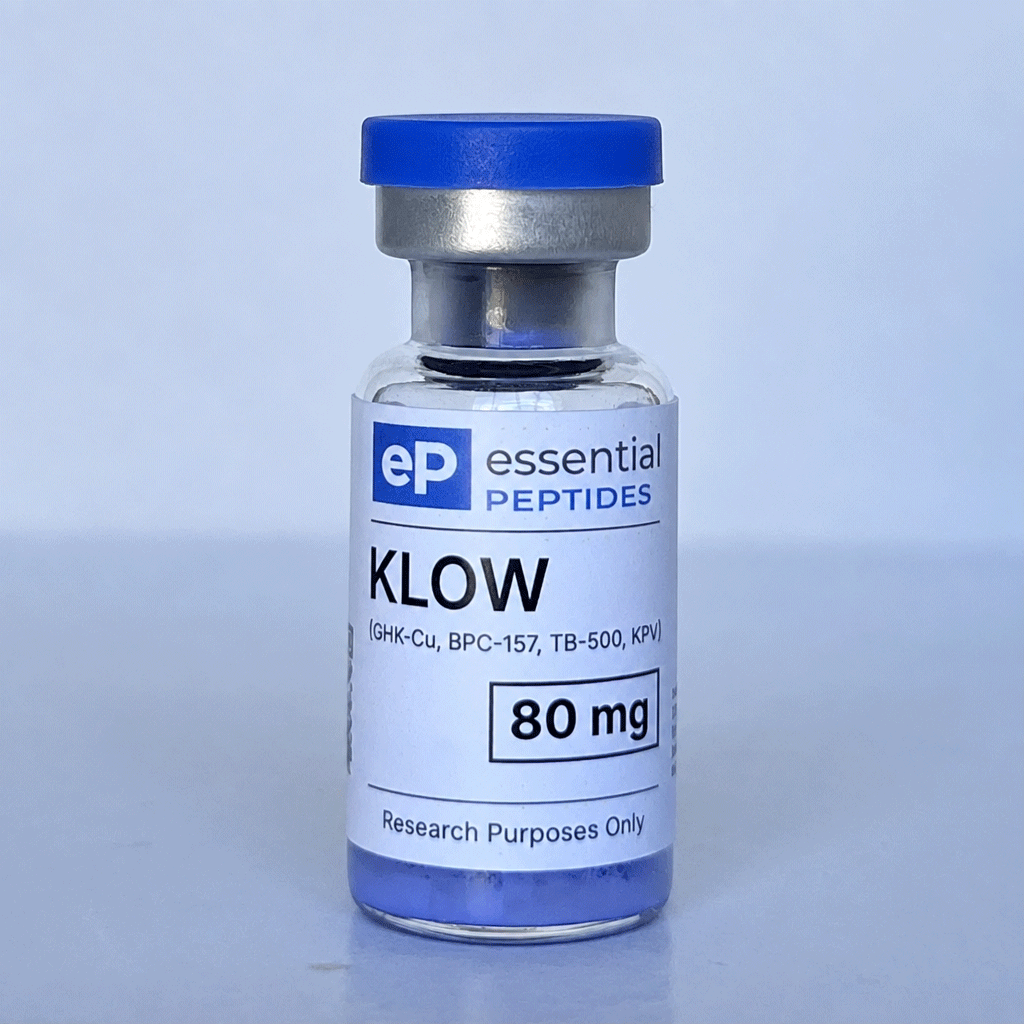
Before use in a laboratory study, verify the full product name, molecular identity where applicable, stated quantity, presentation, batch or lot identifier, and any available technical specification. For a blend, verify the identity of each listed constituent and whether the documentation states component quantities or proportions. A product label alone is not enough to resolve every analytical question. If a specification is incomplete, ambiguous or inconsistent with a study requirement, seek clarification from the supplier before the material is included in an experiment.
Quality documentation and analytical review
Essential Peptides describes quality-control practices that may include high-performance liquid chromatography (HPLC) and mass spectrometry, and provides access to Certificates of Analysis (COAs) where available. Researchers should inspect the actual documentation associated with the relevant batch rather than assume that a general statement applies identically to every lot. Review the reported test method, result, acceptance criteria, date, batch identifier and issuing laboratory when those details are supplied. A COA supports traceability; it does not by itself prove that a compound is appropriate for every assay or guarantee a particular experimental outcome.
Planning a reproducible experiment
A well-documented research workflow begins with a defined research question and a protocol appropriate to the model. Record the compound identifier, supplier, batch, date received, storage conditions, preparation history, equipment, controls, measurement method and deviations from the approved protocol. Follow the current product documentation and institutional laboratory procedures for storage, handling, waste and risk assessment. Avoid inferring preparation conditions or experimental concentrations from a product name or from an unrelated publication. Where a protocol requires information not provided in the available specification, obtain that information from a qualified source before proceeding.
Interpreting evidence and limitations
Scientific claims should be proportionate to the evidence. A mechanistic paper may explain a possible interaction without demonstrating a practical outcome; a result in one model may not reproduce in another; and preliminary or preclinical observations do not establish human clinical benefit. Researchers should assess publication quality, study design, sample size, controls, conflicts of interest and independent replication. For newer or less extensively characterised compounds, uncertainty should be stated plainly. The catalogue description is an orientation aid, not a replacement for primary literature or expert assessment.
Product selection and documentation checklist
When evaluating this listing, confirm that the product is currently available and that the live page matches the intended material. Check the exact quantity and any variant information, review the current specification and batch-specific COA if available, and compare those details with the requirements of the planned assay. Keep records of the version of the specification reviewed and any supplier clarification. For category pages, use the category to discover relevant listings, then assess each product independently; a shared category does not mean products are chemically equivalent or interchangeable.
Responsible research-use statement
The content on this page is intended for laboratory and in-vitro research context only. It must not be interpreted as medical advice, a recommendation for self-experimentation, or a claim that the material is a medicine, supplement or treatment. Do not use research materials in humans or animals. Regulatory status and permissible use can vary by compound and jurisdiction, so buyers are responsible for checking applicable laws, institutional requirements and supplier documentation before ordering or handling a material.
Summary
KPV 10mg should be assessed through a combination of clear product identity, relevant scientific literature, fit-for-purpose experimental design and traceable analytical documentation. The most useful next step is to review the current product specification and any applicable COA, then confirm that the documented material meets the requirements of the intended laboratory work. Essential Peptides' product and category pages are designed to support catalogue navigation; conclusions about a compound should always remain tied to the evidence, method and model actually used.
Research Use Only
This product is intended solely for laboratory research applications. Not for human or veterinary use. Not for diagnostic or therapeutic use.